



















Find Everything You're Looking For



Tax Implications For Real Estate Investors
Before you begin your real estate investment journey, you may want to consider how you will structure the ownership of these assets. There are different tax implications for personal (or sole) owners versus corporate owners. From annual income reporting to one-time transactional taxes, your choice of ownership arrangement will dictate your future budget considerations.
Learn about the tax differences between sole and corporate real estate ownership below. We will cover everything from income tax and capital gains to deferrals and exemptions. With this information, you can decide which type of ownership best suits your long-term investment goals.

Income Taxes
If you receive rental income from your investment property, this income will be taxed along with any other income you receive under personal or corporate ownership.
Personal income tax rates are based on all the annual income you receive: employment, investment, etc. Depending on your income tax bracket, your marginal tax rate can be as low as 20.05% or as high as 53.53%.
Corporate tax rates, however, are a little different in that they are not graduated according to income brackets. The Ontario tax rate for investment income, as of June 1, 2024, is 50.17%.
Both sole owners and corporate owners can leverage tax deductions to bring down their taxable income, but based on your anticipated income for each year, you can determine whether the personal tax rate or corporate tax rate is more cost-saving than the other in the long term.

Principal Residence Exemption
Thanks to the principal residence exemption, you will not have to pay capital gains tax when you sell your designated principal residence as an individual (or a couple). This policy acts as a sort of tax haven so Canadians can sell their homes and not worry about being taxed on the profits from the sale.
Since corporations do not have a principal residence, they cannot take advantage of this exemption. Therefore, 100% of their profits from selling their properties will be taxed.
Looking for Expert Guidance in Real Estate? Partner with our dedicated agents to ensure success in buying, selling, and investing.
Capital Gains
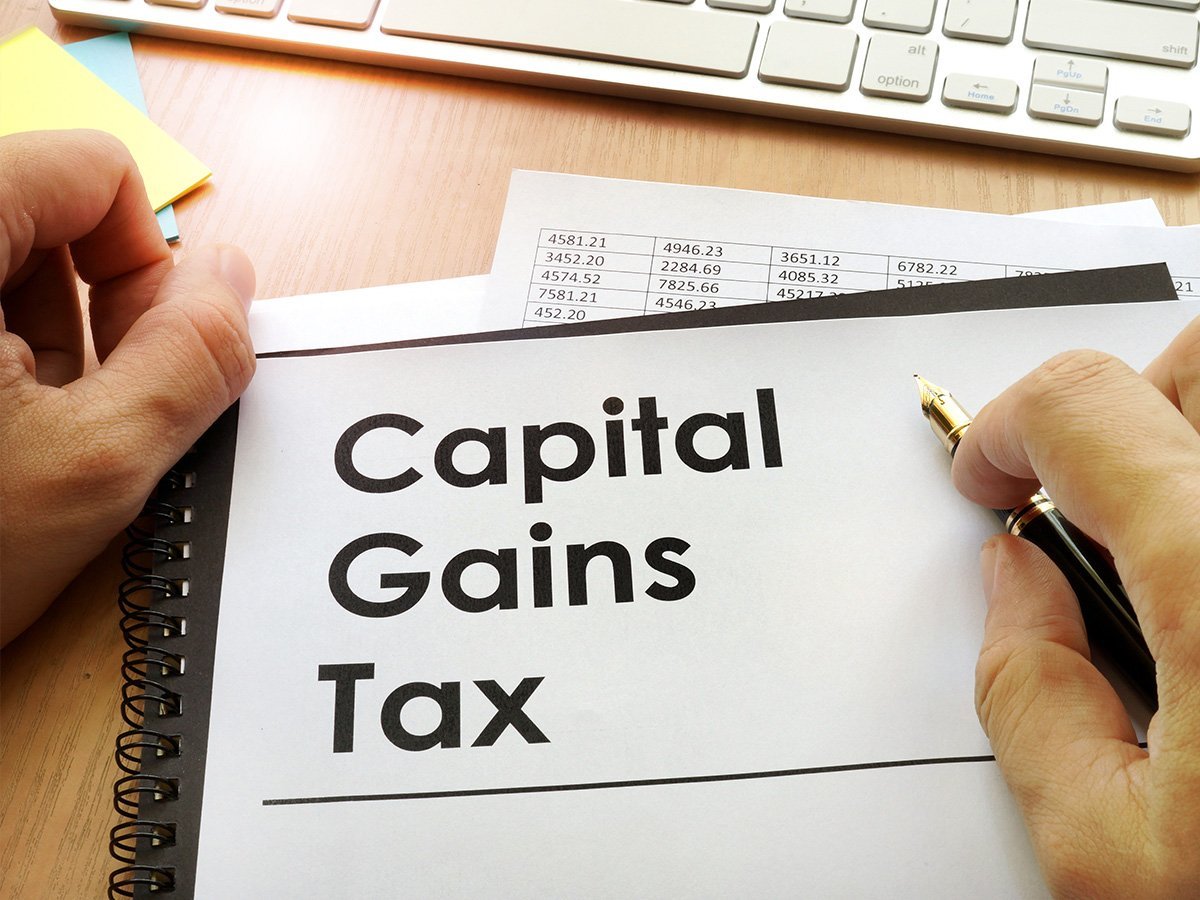
When you sell a property for a profit, you can receive capital gains as an individual or a corporation. Your ownership will have specific financial implications, as profits are claimed and taxes are calculated differently for individual capital gains and corporate ones.
Capital gains refer to the net profit you make from selling an asset. Depending on profit and income, half or more of the profits from selling your personal property will be taxed at your marginal income tax rate. Currently, the tax inclusion rate is 50% for individuals and corporations.
The inclusion rate refers to the taxable amount, not the tax rate itself. After adding up your taxable capital gains, the final amount will be taxed at the marginal rate of your current income tax bracket.
For example, if you purchased a property for $200,000 and sold it for $500,000, your capital gains would be $300,000. Only 50% is taxable ($150,000), so you would add $150,000 to your income for your annual tax filing. Then, you would be taxed at the appropriate marginal tax rate based on whichever tax bracket you fall into that year.
GST/HST and Rebates
Rental income is exempt from GST/HST, but buying a new property will include these taxes, whether or not you are purchasing it as an individual or through a corporation. However, there are 3 types of GST/HST rebates that you may be able to take advantage of.
The New Housing or Residential Rebate can be applied to homes that become primary residences for the buyers or their immediate family members. Meanwhile,, the New Residential Rental Property Rebate can be applied to homes purchased as investment properties and rented out. The First-Time Home Buyers’ GST Rebate is only offered to first-time buyers of brand-new homes. One thing to note is that individuals can receive any of these rebates if they are eligible, but corporations can only receive the Rental Rebate when buying new pre-construction properties.
Land Transfer Tax
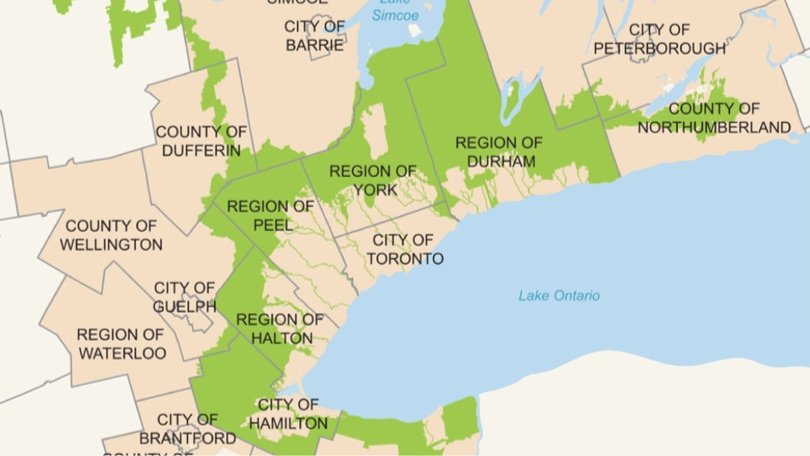
Land transfer tax (LTT) applies to individual and corporate buyers when buying properties. In Ontario, the marginal tax rate for LTT ranges from 0.5% to 2.5%. Homes in Toronto are subject to an additional municipal tax rate that is the same as the provincial rate, essentially doubling the LTT for those purchasing properties in the city.
However, first-time home buyers can also benefit from a land transfer tax rebate of up to $4,000 for a home purchase in Ontario, plus up to $4,475 additional rebate for a home purchase in Toronto. This rebate can be claimed through their real estate lawyer at the time of registration, typically a week before closing. In the event that the rebate was not applied at registration, then the buyer may still claim the rebate within 18 months through the Ministry of Finance.
Tax Deductions and Deferrals

Tax deductions can reduce taxable income. Both individuals and corporations can maximize their rental property expenses—such as mortgage interest, property taxes, maintenance fees, accounting fees, legal fees, and more—to lower their taxes.
If you are renting out your property, you can also calculate the capital cost allowance (CCA) to factor in the annual depreciation of your income-earning property, reducing your taxable rental income even further. However, you cannot use CCA to incur a capital loss.
While personal ownership does not allow for regular tax deferrals, if you sell a property under a vendor take-back mortgage, you can defer the taxes paid on the profit of the home sale by stretching out the payment schedule over 5 years.
Corporate ownership allows for another option to lower taxes. This way, some profits are kept within the company and distributed as taxable dividends to directors and shareholders, which can reduce the company's tax rate but raise the personal tax rate of the controlling individuals. Strategic distribution can be done to avoid high tax burdens on directors and shareholders, including the company's owner.
Liability and Risk
One of the most significant differences between owning investment property personally and under a corporation is the liability and risk you may face. If you are the sole owner of a property, you will be directly responsible for legal and financial liabilities tied to the property, which can extend risk to your other assets as well.
A corporation, however, provides a buffer between individuals and the liability of a property. For example, suppose someone sues the owner of a corporate-owned property. In that case, they cannot go after the personal assets of the directors and shareholders, only the company itself, which is considered its own legal entity. The only case in which an individual may be liable is if a personal guarantee is made on top of the corporate debt.
Estate Planning
Finally, for long-term financial planning, corporate ownership offers greater flexibility than personal ownership to avoid heavy taxes or probate fees upon the owner's death and automatic transfer of ownership.
If a sole property owner passes away, the property will be deemed "disposed" or sold and subject to capital gains tax, which can be substantial. If the property is under a corporation, family trust, or holding company, the details of succession may benefit from freezing or simply minimizing probate fees and capital gains taxes. This is because the ownership of the property would not change upon death, although the corporation's ownership may change.
Key Takeaways
Below is a quick summary of the differences between personal and corporate real estate ownership that you can refer to:
| Personal Ownership | Corporate Ownership | |
|---|---|---|
| Income Tax Rate | 20.05% to 53.53% based on marginal tax bracket | 50.17% |
| Principal Residence Exemption | Yes | No |
| Capital Gains Tax | Inclusion rate: 50% Tax rate: based on income | Inclusion rate: 50% Tax rate: 50.17% |
| GST/HST | Required; Residential and Rental rebate available | Required; Rental rebate available |
| Land Transfer Tax | Required; LTT rebate available | Required; LTT rebate not available |
| Tax Deductions and Deferalls | Yes | Yes |
| Liability and Risk | High | Low |
| Estate Planning | More taxes and fees at death | Fewer taxes and fees at death |
In summary, knowing the tax impact of real estate investment can help you choose the right path for your financial goals. Whether you own personally to take advantage of tax breaks on a principal residence or own through a corporation to benefit from added protection and estate planning options, each choice comes with its tax perks and responsibilities.
By weighing factors like income taxes, capital gains, and available deductions, you can find the best ownership option that maximizes your benefits while minimizing potential downsides. With careful planning—and advice from tax professionals—you can set up your real estate investments to support your financial future and give you peace of mind.
Get more trusted real estate advice from the award-winning professional agents of GTA-Homes. Register with us today to receive personalized guidance and investment opportunities in real estate.
Grow Your Wealth Through Multifamily Investments with CMHC MLI Select Financing Achieve true financial freedom, security, and independence with the market's best real estate investments.


